The Importance of a Strong Support System during Stroke Recovery

Dave and Kate’s Story
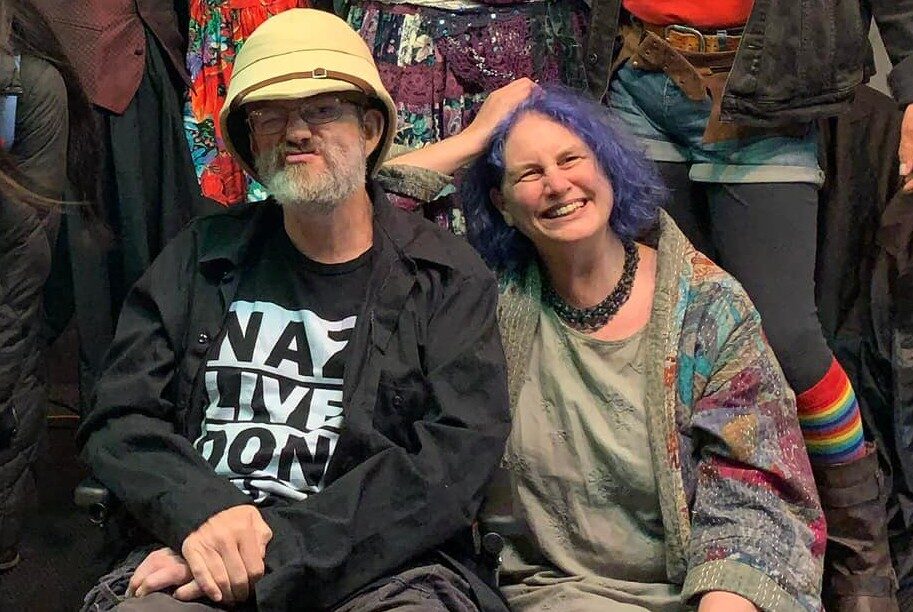
Recently, 7th April, was our monthly meetup – a chance to share experiences, challenges, and wins with peers who understand what life is like after a stroke. This month was particularly special as we welcomed husband and wife Dave and Kate, who highlighted the benefits of facing stroke recovery as a united front. Armed with tea and cake, we sat and listened intently as Dave and Kate shared their story. This blog invites you to discover their story too.
Both with academic backgrounds, Dave and Kate are successful professionals, working as a lecturer for The Open University and a freelance copy editor respectively. In their spare time, they enjoy getting out and about going on long walks together. They are both fit and healthy. Until one morning, Kate found Dave lying on the kitchen floor. At the age of just 52, Dave had a haemorrhagic stroke (brain bleed) and the doctors were unsure if he would survive. A second bleed the next morning led to an emergency craniotomy, after which Dave was unconscious for two weeks. Kate sat by his bedside waiting for any signs of improvement. Eventually, she said her goodbyes to Dave:
“If you want to go, go. Don’t worry about me, I’ll be fine.”
Asking him one final question:
“Do you want to fight?”
Dave’s reaction was a raised fist – a silent confirmation and agreement between them that they weren’t ready to give up yet.

And so, they have spent the past four years fighting. Today, Dave is walking, talking, and improving each day, and Kate has been with him every step of the way. The road has not been easy. Dave spent three months in hospital, where the outlook from doctors and physiotherapists often focused on what might never return, rather than what still could. It would have been easy to lose hope. Instead, Dave and Kate chose to take matters into their own hands. Together, they began searching for ways to support his recovery. Kate came across an American website suggesting that “Spot the Difference” books could help retrain the brain – encouraging both visual scanning and concentration. What started as a simple exercise soon became a turning point. Dave immersed himself in Where’s the Llama, carefully scanning each page to spot the ten hidden llamas.
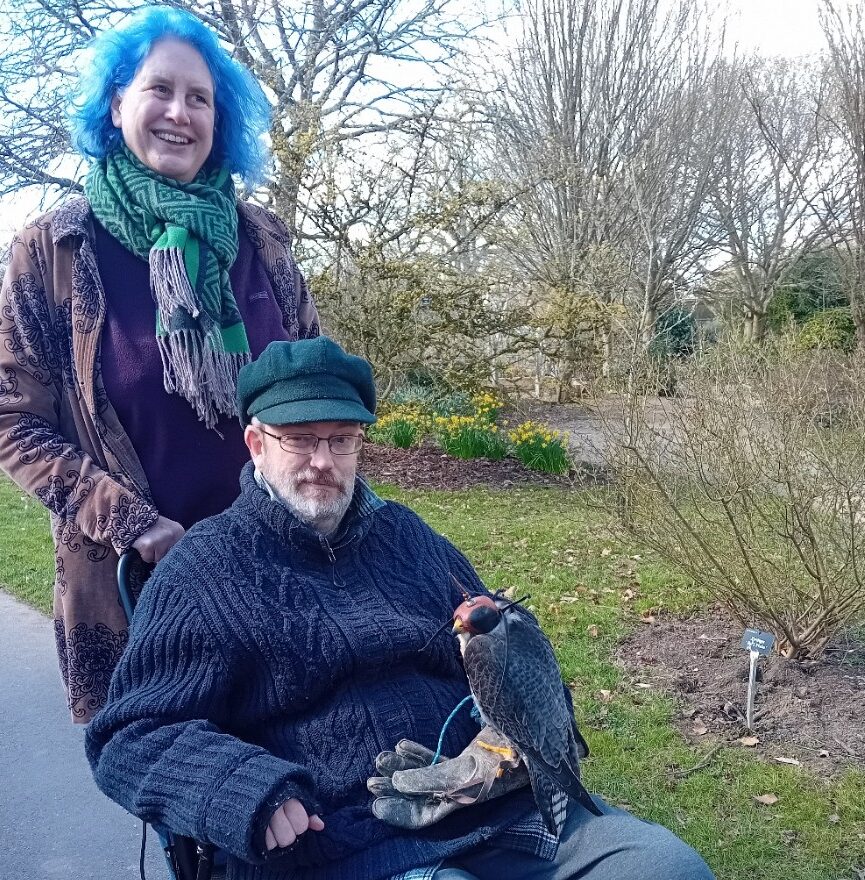
Alongside this, Dave turned to visualisation – the practice of mentally picturing the body healing itself. Drawing on his knowledge of human anatomy, he imagined the neural pathways in his brain reconnecting, often accompanied by a warm sensation. He applied the same technique to his eyesight, visualising gentle stimulation of his right eye, which was damaged by the craniotomy. Over time, his sight began to return. For Dave, this daily ritual became a powerful part of his recovery.
Defined by determination, good humour, and out-of-the-box thinking, Dave and Kate’s story is one of hope and inspiration. But this is not where their story ends. They are still fighting, with Dave attending a walking football group in Eastleigh and jumping off his front door step just to see if he can. It’s these small, brave acts that continue to build momentum, proving that recovery is not just about regaining what was lost, but discovering what is still possible.