The Importance of a Strong Support System during Stroke Recovery

Dave and Kate’s Story

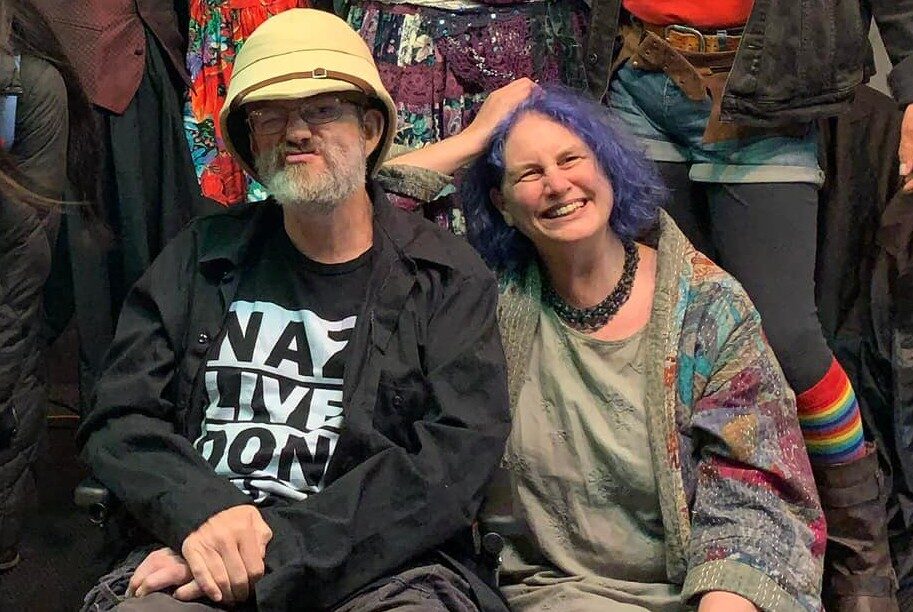
Recently, 7th April, was our monthly meetup – a chance to share experiences, challenges, and wins with peers who understand what life is like after a stroke. This month was particularly special as we welcomed husband and wife Dave and Kate, who highlighted the benefits of facing stroke recovery as a united front. Armed with tea and cake, we sat and listened intently as Dave and Kate shared their story. This blog invites you to discover their story too.

Both with academic backgrounds, Dave and Kate are successful professionals, working as a lecturer for The Open University and a freelance copy editor respectively. In their spare time, they enjoy getting out and about going on long walks together. They are both fit and healthy. Until one morning, Kate found Dave lying on the kitchen floor. At the age of just 52, Dave had a haemorrhagic stroke (brain bleed) and the doctors were unsure if he would survive. A second bleed the next morning led to an emergency craniotomy, after which Dave was unconscious for two weeks. Kate sat by his bedside waiting for any signs of improvement. Eventually, she said her goodbyes to Dave:

“If you want to go, go. Don’t worry about me, I’ll be fine.”

Asking him one final question:

“Do you want to fight?”

Dave’s reaction was a raised fist – a silent confirmation and agreement between them that they weren’t ready to give up yet.

And so, they have spent the past four years fighting. Today, Dave is walking, talking, and improving each day, and Kate has been with him every step of the way. The road has not been easy. Dave spent three months in hospital, where the outlook from doctors and physiotherapists often focused on what might never return, rather than what still could. It would have been easy to lose hope. Instead, Dave and Kate chose to take matters into their own hands. Together, they began searching for ways to support his recovery. Kate came across an American website suggesting that “Spot the Difference” books could help retrain the brain – encouraging both visual scanning and concentration. What started as a simple exercise soon became a turning point. Dave immersed himself in Where’s the Llama, carefully scanning each page to spot the ten hidden llamas.
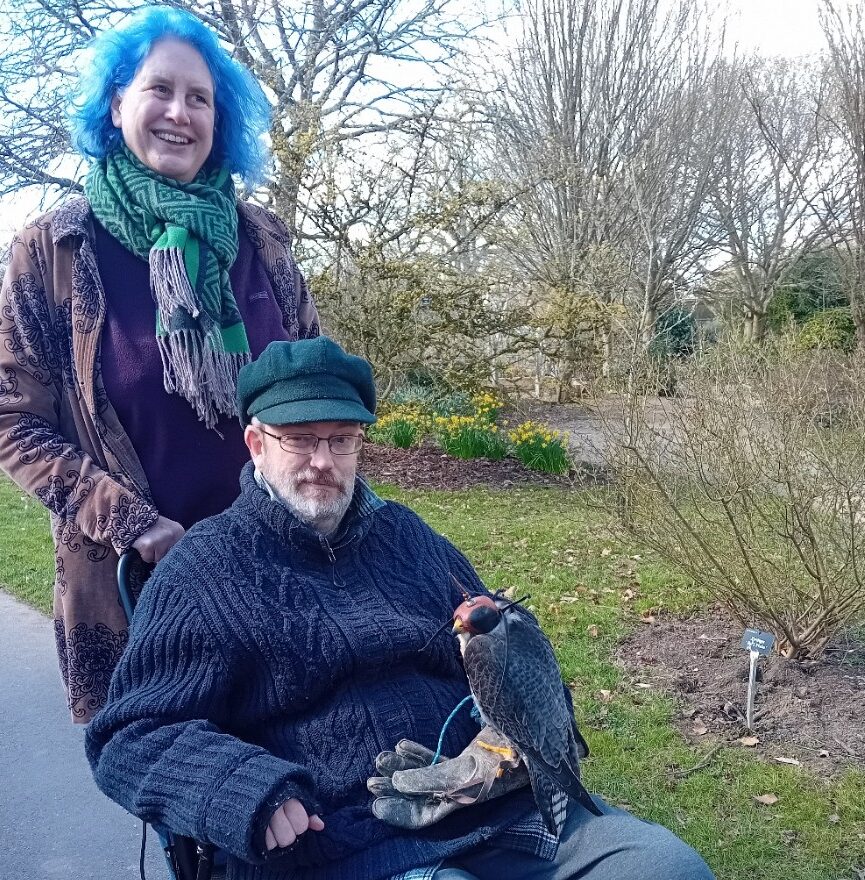
Dave is sat in his wheelchair with a bird on his lap. Kat is standing behind him, pushing his chair

Alongside this, Dave turned to visualisation – the practice of mentally picturing the body healing itself. Drawing on his knowledge of human anatomy, he imagined the neural pathways in his brain reconnecting, often accompanied by a warm sensation. He applied the same technique to his eyesight, visualising gentle stimulation of his right eye, which was damaged by the craniotomy. Over time, his sight began to return. For Dave, this daily ritual became a powerful part of his recovery.

Defined by determination, good humour, and out-of-the-box thinking, Dave and Kate’s story is one of hope and inspiration. But this is not where their story ends. They are still fighting, with Dave attending a walking football group in Eastleigh and jumping off his front door step just to see if he can. It’s these small, brave acts that continue to build momentum, proving that recovery is not just about regaining what was lost, but discovering what is still possible.

Nutrition and Stroke Recovery

Nutrition and Stroke Recovery

After a stroke, looking after your health becomes more important than ever – and a balanced diet plays a key role in rebuilding strength and supporting recovery. While this journey can bring challenges, such as changes to taste and smell or difficulties with swallowing, it can also be a time of rediscovery.

Eating and drinking become more than just daily habits; they turn into a sensory experience, where new flavours, preferences, and textures are explored. What may feel difficult at first can, over time, become easier with the right support, patience, and small, positive steps forward.

Learning ways to adapt meals can help. The Stroke Association recommend the following tips to maintain a healthy diet:

  • Aim for at least five portions of fruit and vegetables daily.
  • Make starchy foods a third of your meals.
  • Reduce processed meats and takeaways.
  • Limit salt to 1 teaspoon per day, including hidden sources.
  • Include daily protein from oily fish, beans, pulses, nuts and seeds.
  • Stay hydrated for optimal bodily function.

Download their full guide for other practical tips to stay nourished and hydrated.

Of course, even when staying healthy, everybody deserves a sweet treat once in a while and that why at all of our meetups we provide tea and healthy cake! Our next meetup is on Tuesday, 7th Apil 2pm – 3:30pm at Cardiac Health. It’s a great opportunity to meet with like-mind individuals who understand what you are going through. Come along, have a chat, get stuck into some activities, or sit and have a cup of tea – it’s up to you. We know that stroke recovery is hard, but even though it may feel like it at times, you are never alone, we are here for you.

Neuro fatigue

Neuro fatigue

Here is a little helpful information about neuro fatigue and how it can affect everyone post stroke, which we recently received from Southampton based Different Strokes.

The main message is that whilst, as stroke survivors, we can’t fight it, we can help ourselves by pacing our lives and listening to our brains so we don’t overdo life on a particular day and suffer the consequences. 

This link below has a very useful explanation of what’s happening in your brain after a stroke and why you might be feeling more tired than normal and suffering with neuro fatigue: 

http://www.braininjury-explanation.com/consequences/invisible-consequences/neurofatigue

These images also help explain what we all experience in our brain and body to various levels post-stroke, which illustrate the challenges faced by stroke survivors.

Please know that as a group, we don’t always realise how much we have offer each other in support of our own recovery journey post stroke. The power of shared experience is invaluable. 

If it would help to have a personal chat, please let one of our volunteers know at our next meeting and we can put you in touch with someone who understands first hand, the effects of neuro fatigue. 

How Social Prescribing Can Help

How Social Prescribing Can Help

Social Subscribing is a local service connecting people to activities, groups, and support which improves health and wellbeing.

Emilia Barnett is one of our Social Prescribing team in Alton, and she joined our last Meet Up to explain how they can help with (non-medical) issues like loneliness, debt, or stress (from a variety of sources like financial pressures or poor housing). 

People like Emma are your link to a range of support to deal with these and many other social, practical and emotional needs.

The service is part of “Health on the High Street”, and Emma and her colleagues can be found every Wednesday morning in Alton’s Assembly Rooms in the High Street. That’s the place to go to find out more about how they can help you.

Cycling for all

Cycling for all

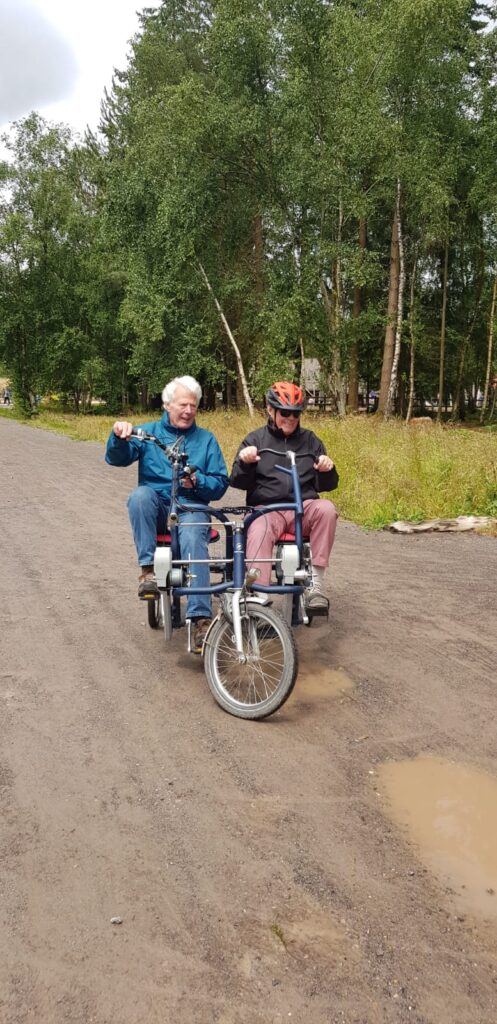
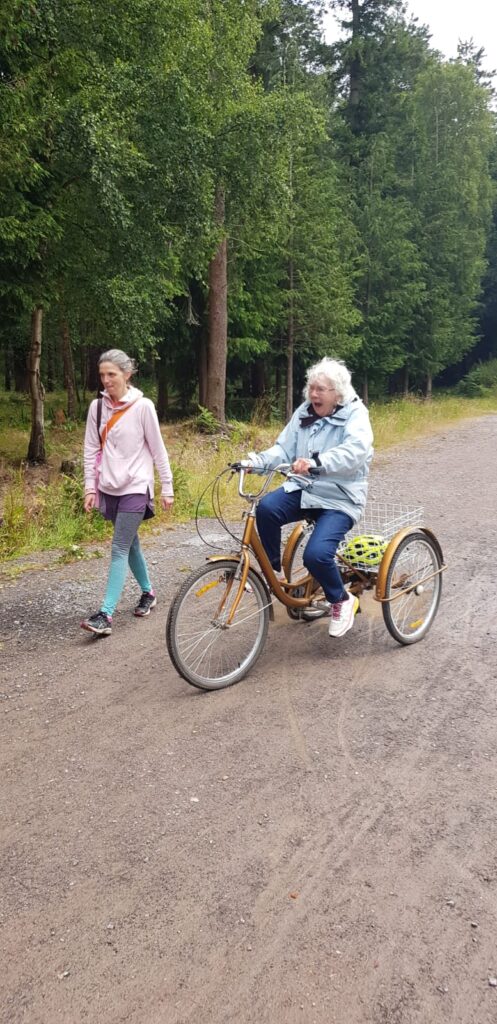
Peter Jean is the Chair of the charity Inclusive Cycling which is based at Alice Holt. Some of our Group already take advantage of their amazing range of bikes for all levels of mobility and experience. However, we had asked Peter to come and share a little more about what they offer. Peter showed us photos of the range of special bikes on offer, including side by side bikes and bikes adapted to carry a wheelchair. 

With over 40 bikes in their store, all maintained by a great team of volunteers, there is a bike for everyone to access some of the wonderful woodland trails at Alice Holt. And it costs only £3 per session, “carers” go free. 

Sessions are held every Thursday morning from 9.30.-12.30. and you can ride for as long as you like between these times.  No booking is needed. There is such a sense of freedom and space to be out in the Forest…..and kerping active too! aliceholtinclusivecycling.com

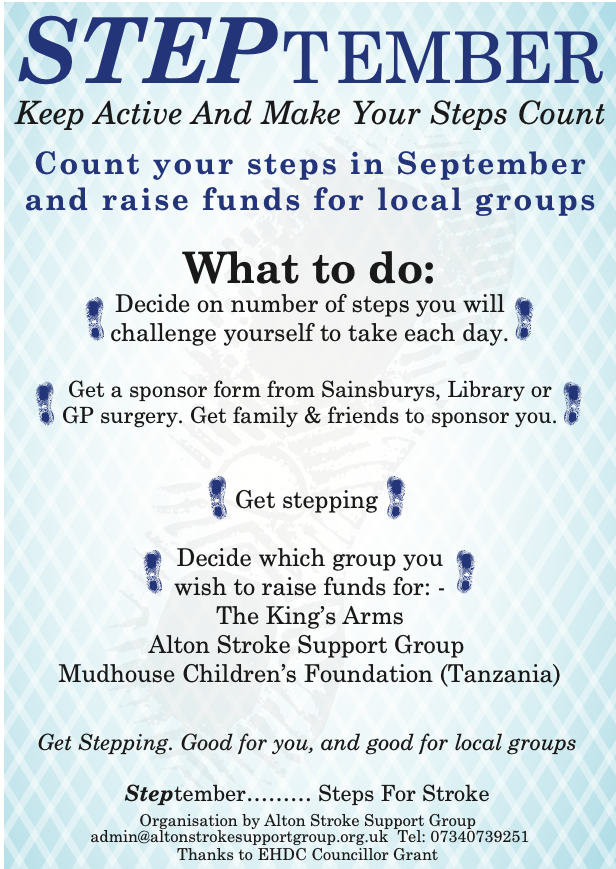
Steptember

Steptember

Where

Anywhere

When

All of September

Details

We are inviting you to challenge yourself through the month of September… to keep active! Decide on how many steps you will aim to take each day and use your challenge to raise funds forAlton Stroke Support Group

Steptember poster